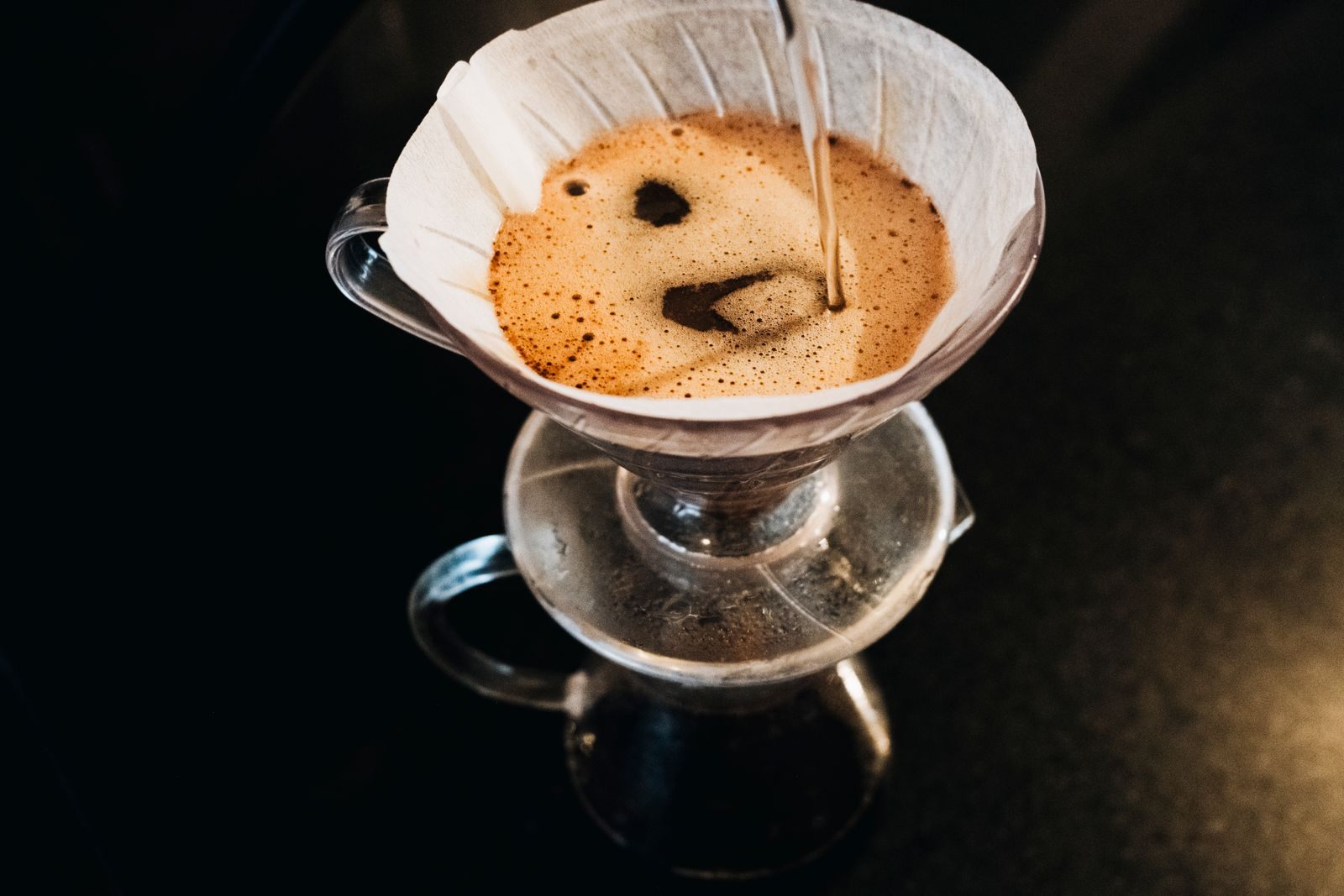
How to Brew Coffee at Home: The Basics
Four variables behind every cup, and how to adjust them.
French Press GuideEvery method for how to brew coffee at home is a variation on one process: hot water dissolves flavor from ground coffee for a certain time, and then you separate the liquid from the grounds. Four variables control how that tastes.
1. Ratio: Coffee to Water
The ratio sets strength. The National Coffee Association suggests 1 to 2 tablespoons of ground coffee per 6 ounces of water for drip coffee. With a scale, most hot methods start somewhere between 1 gram of coffee to 13 grams of water (stronger) and 1 to 16 (lighter). Pick a starting point, brew, then change only the ratio until the strength is right.
| Method | Starting ratio (coffee : water) |
|---|---|
| Drip coffee maker | 1–2 tablespoons per 6 oz water |
| Pour-over | 1:13 to 1:16 |
| French press | 1:10 to 1:16 |
| Cold brew concentrate | 1:4 to 1:5, diluted to serve |
Ratios above follow the National Coffee Association’s published brewing guides.
2. Grind Size
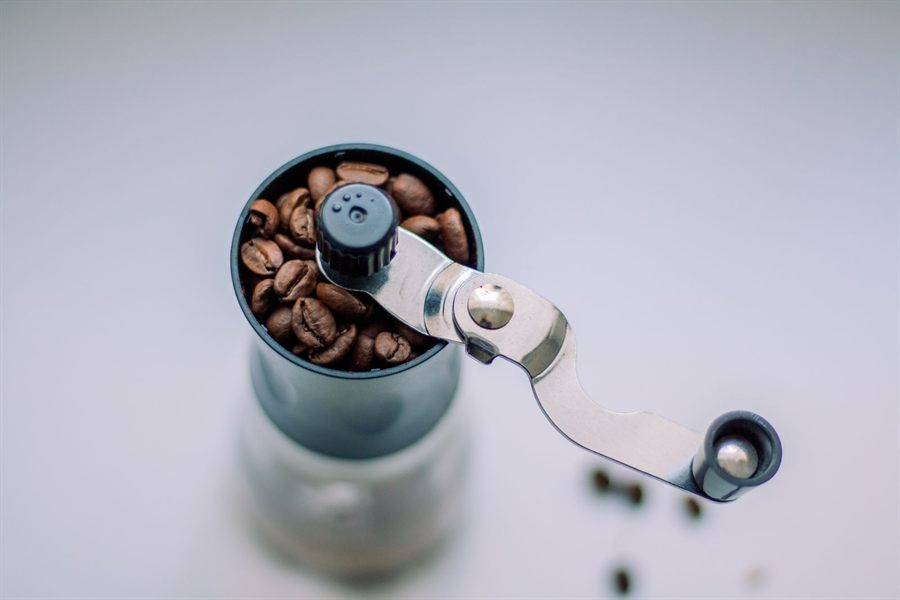
Grind controls how quickly water extracts flavor. Finer grounds extract faster, so they suit short brews; coarser grounds suit long steeps.
- Coarse (like rock salt): French press, cold brew, percolator.
- Medium (like kosher salt): drip machines and most pour-over cones.
- Fine: moka pots; espresso is finer still.
A burr grinder gives more even particles than a blade grinder, which makes your results more consistent. See beans and grinding.
3. Water Temperature
Hot water extracts flavor; boiling water can scorch it and pull out harsh notes. The Specialty Coffee Association’s home-brewer standard calls for 90–96°C (about 194–205°F), and the National Coffee Association’s method guides use about 93°C, give or take 3 degrees. Off the boil for about half a minute is close enough for most kitchens. Cold brew is the exception: it uses room-temperature or cold water and makes up for it with time.
4. Contact Time
- Pour-over: about 2–4 minutes of contact.
- French press: about 4 minutes.
- Drip machine: about 5 minutes.
- Cold brew: about 12 hours, or overnight.
Taste, Then Change One Thing
If the cup is bitter, try a coarser grind or a shorter brew. If it is sour or thin, go finer or longer. If it is simply too strong or weak, change the ratio. Change one variable at a time so you know what made the difference, and keep notes for the beans you like.
Frequently Asked Questions
Should I use boiling water for coffee?
Water a little below boiling works best. The Specialty Coffee Association’s standard for home brewers calls for water between 90 and 96°C (about 194–205°F). If you have no thermometer, let a kettle rest for about 30 seconds after it boils.
Do I really need a scale?
No, but it helps you repeat a cup you liked. Tablespoons vary with grind and roast, while grams don’t. If you use scoops, measure the same way every time and adjust from there.
Does tap water make a difference?
Yes. Coffee is mostly water, so water that tastes of chlorine or minerals will show in the cup. Use cold, fresh water, filtered if your tap water tastes off, and avoid distilled or softened water.
Put the Basics to Work
The French press is the most forgiving way to practice ratio, grind and time. Here is the step-by-step method.
French Press Guide