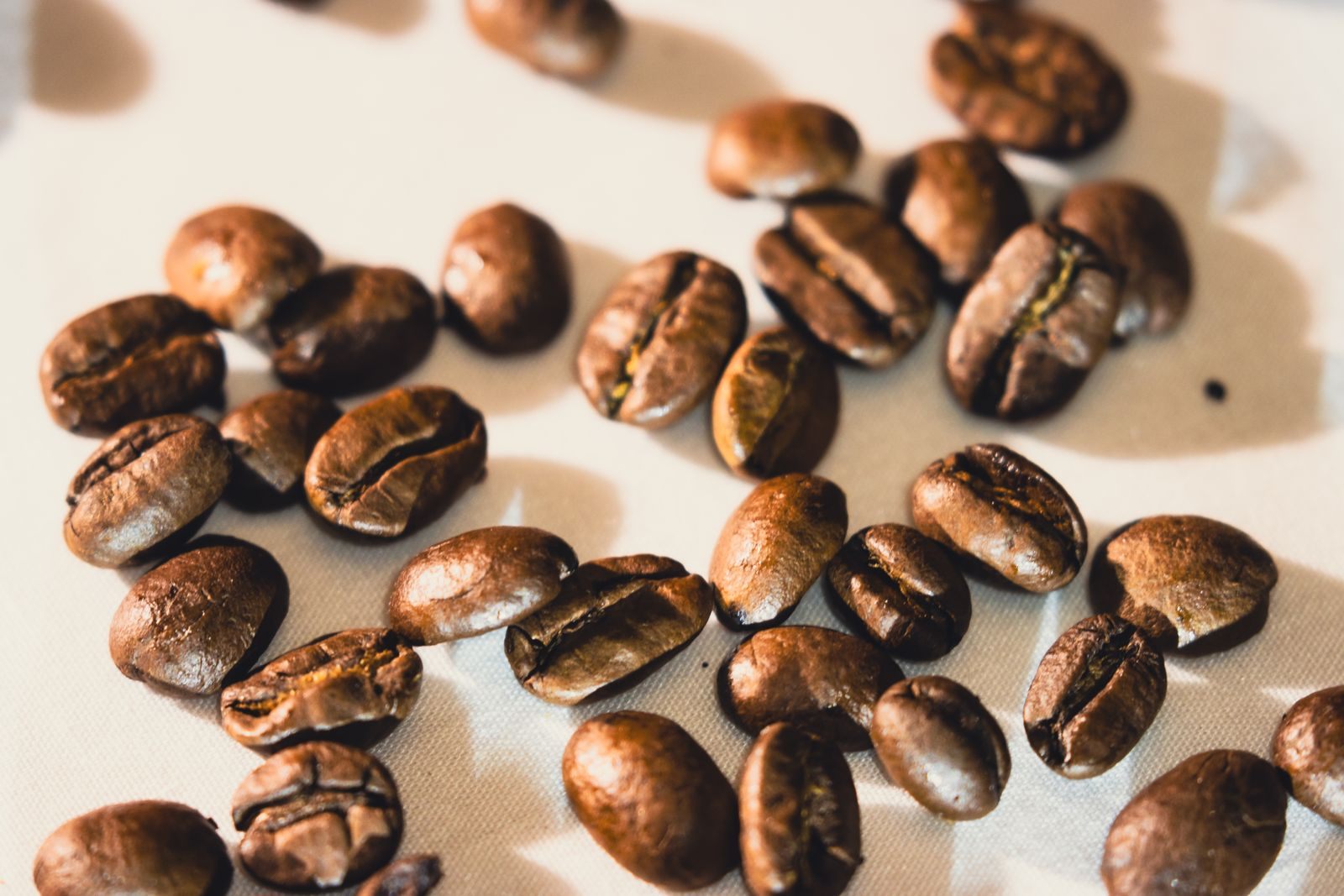
Coffee Beans, Grinding and Storage
Fresh beans, ground right, are the biggest upgrade of all.
Brewing BasicsYou can follow every brewing step perfectly and still get a dull cup if the coffee itself is stale. Buying, grinding and storing beans well is the cheapest way to improve how to brew coffee at home.
Choosing Beans
- Roast date: look for a roast date rather than only a best-by date, and buy coffee roasted recently.
- Roast level: lighter roasts tend to taste brighter and more acidic; darker roasts taste heavier, with roasty, bittersweet notes.
- Origin and blends: single-origin coffees showcase one place; blends aim for balance. Try a few and note what you like.
- Quantity: buy what you will use in one to two weeks.
A local roaster or cafe can help you choose. If you need one nearby, the Best of the USA directory lists local businesses.
Grinding
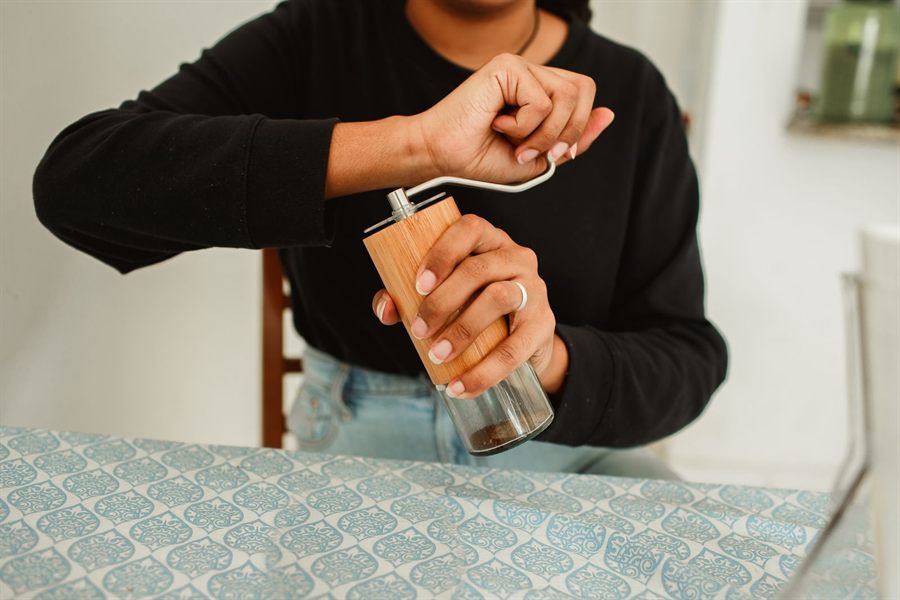
Coffee starts losing aroma soon after grinding, so grinding right before you brew makes a noticeable difference. A burr grinder crushes beans between two surfaces to an even size; a blade grinder chops them unevenly, which can make a cup taste both bitter and sour. Hand burr grinders are an affordable way to get even grounds.
| Grind | Feels like | Use for |
|---|---|---|
| Coarse | Rock salt | French press, cold brew, percolator |
| Medium | Kosher salt | Drip machines, pour-over |
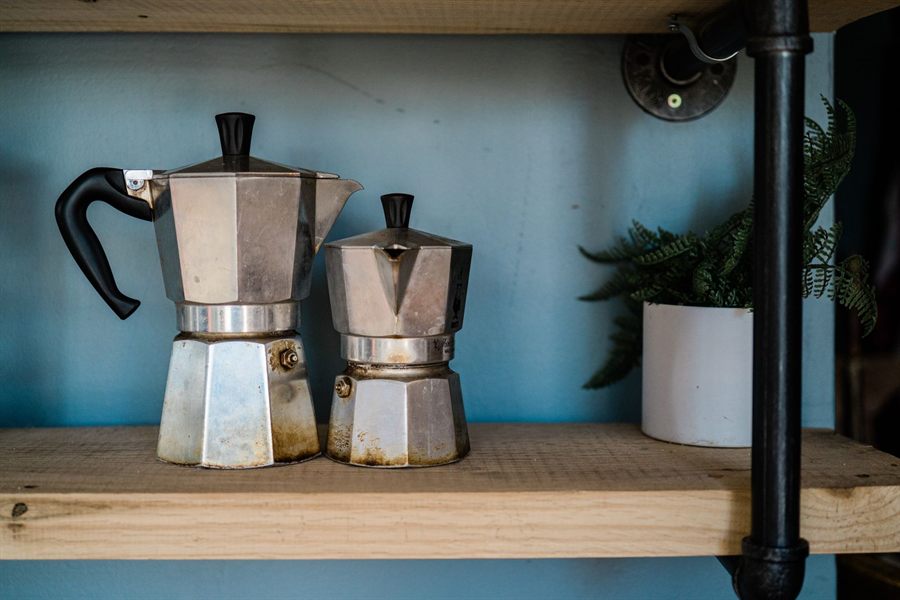
| Fine | Table salt or finer | Moka pot |
Storing Coffee
The National Coffee Association’s storage guide recommends moving coffee out of its retail bag into an airtight, opaque container and keeping it somewhere cool and dark — not next to the oven, above the dishwasher or in strong sun. Coffee absorbs moisture and odors, so avoid the fridge for day-to-day storage.
| Coffee (opened, stored airtight) | Best within |
|---|---|
| Whole roasted beans, room temperature | 1–3 weeks |
| Ground coffee, room temperature | 1–2 weeks |
| Whole roasted beans, frozen | 3–4 months |
Figures follow the National Coffee Association’s storage guidance. Coffee past these windows is usually safe if it has stayed dry, but it loses aroma and flavor.
Water Counts Too
A cup of coffee is mostly water, so its taste matters. Use fresh, cold water, filtered if your tap water tastes of chlorine or minerals. Avoid distilled or softened water, which can make coffee taste flat. Hard water also builds up scale in kettles and machines, so descale them regularly.
Frequently Asked Questions
Should I keep coffee in the freezer?
Only if you have more than you can use in a couple of weeks. Freeze it in a truly airtight container, take out only what you need for no more than a week at a time, and return the rest before condensation forms, as the National Coffee Association advises.
Is pre-ground coffee okay?
It works, and it is convenient. Ground coffee loses aroma faster than whole beans, so buy smaller bags, store them airtight and use them within a week or two of opening.
Where to Buy Fresh Beans
A local roaster is often the freshest choice, because you can buy small amounts roasted within the last week or two. If you would rather order online, look for a roast date on the bag and buy only what you will use in a few weeks. One long-established roaster that ships to your door is Peet’s Coffee, which also offers a coffee finder quiz to match a coffee to your taste and delivery subscriptions so you don’t run out.
Affiliate disclosure: the Peet’s links above are affiliate links. If you buy through it, Best of the USA, Inc., the nonprofit that runs this site, may earn a commission at no extra cost to you. It does not change what we write.
Put Fresh Beans to Work
Back to the start: the four brewing basics that turn good beans into a good cup.
Brewing Basics